Drainage Performance Assessment
We evaluate the existing drainage performance — surface pooling, base saturation, clay migration — before designing a remediation approach.
Loading...
Service Detail
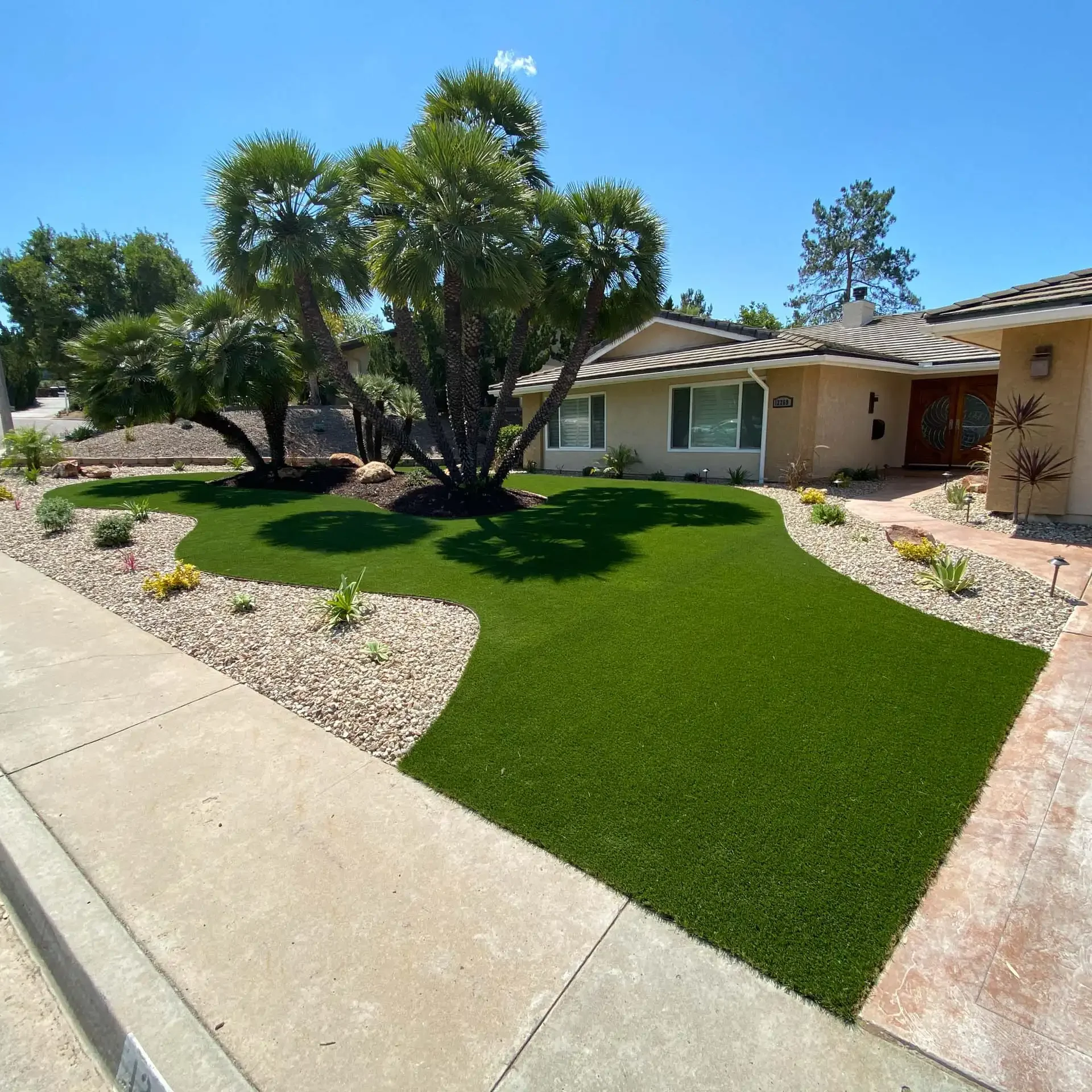
Artificial Turf Drainage System Installation for homes and commercial properties in Spring, TX.
No feature of an artificial turf installation is more consequential for long-term performance in Spring, TX than drainage. The Spring Creek watershed area receives intense rainfall during the spring and summer storm seasons — the kind that deposits two inches in ninety minutes on a Tuesday afternoon before clearing to sunshine. A turf surface without adequate drainage becomes a flat, impermeable surface during those events, with water pooling on top and nowhere to go. That creates a useless surface during the storm window and a slick, standing-water hazard immediately after.
The clay-dominant soil profiles common across Spring's residential neighborhoods — Old Town, Cypresswood, Champions Forest, Olde Oaks — compound the challenge. Clay has low natural permeability. Even when water can move through the turf and the aggregate base layer quickly, native clay soil below may not receive and transmit that water fast enough to prevent backup into the base system. Drainage design for North Houston turf installations has to account for that soil behavior explicitly.
Turf Installation of Spring designs and installs drainage systems as a standalone service for existing turf installations with inadequate drainage, and as an integrated component of new turf projects. Standalone drainage work typically involves one of several approaches depending on the site: installing perforated drain tile along the perimeter of the turf area to collect water that has moved through the base and route it to a discharge point; improving the aggregate base layer beneath the turf by extracting and replacing with higher-permeability material; or establishing a grading correction that redirects runoff away from the turf area before it reaches the surface.
For existing installations that are pooling or draining slowly, we begin with a diagnostic assessment — walking the surface during or after a rainfall event if possible, or using water testing to simulate storm conditions and identify where drainage is failing. The causes vary: insufficient base depth in the original installation, base compaction from years of traffic, clay migration into the aggregate layer through geotextile gaps, or grade issues that concentrate water from surrounding areas onto the turf.
Athletic facilities and commercial properties along Spring's festival corridors have less tolerance for drainage failures than residential yards — a surface that pools for four hours after a rain event represents cancelled games and events, not just an inconvenience. We approach those projects with drainage performance targets defined upfront and systems designed to meet them.
Drainage work begins with diagnostic assessment and ends with a system designed for Spring's specific rainfall intensity.
We evaluate the existing drainage performance — surface pooling, base saturation, clay migration — before designing a remediation approach.
Perforated pipe routed through the base layer and connected to discharge points collects water that has moved through the aggregate and routes it off-site.
Where base permeability has degraded, we assess whether base remediation — partial extraction and replacement with high-permeability aggregate — is appropriate.
Surface or surrounding landscape grade that is concentrating external water onto the turf area can be corrected to redirect flow before it reaches the surface.
Drainage improvements are tested with simulated rainfall before the project is closed out, and the drainage system layout is documented for the property owner.
Drainage work follows a diagnostic-first sequence so the solution is matched to the actual problem.
Step 1
We assess the surface during or simulating rainfall conditions to identify pooling locations, measure drainage rates, and evaluate the base and surrounding grade to determine what is causing the drainage failure.
Step 2
Based on the diagnostic, we design a drainage solution — tile routing, discharge location, base modification, or grade adjustment — and review the plan with the property owner before work begins.
Step 3
Drainage infrastructure is installed with minimal disruption to the existing turf surface where possible. Where turf must be lifted for access, it is relaid and re-secured after the base work is complete.
Step 4
The system is tested with water volume simulating a typical North Houston storm event and drainage performance is confirmed before the project is accepted.
Drainage system work applies to several scenarios across Spring's residential and commercial property base.
Properties where turf was installed without adequate drainage design, or where base performance has degraded over time, resulting in pooling that limits use after storms.
Properties near Spring Creek or in topographic low areas that receive runoff from adjacent properties require additional drainage infrastructure from the start.
Athletic facilities with performance requirements for post-storm usability need drainage systems engineered for specific drainage rate targets.
Established Spring neighborhoods with high clay content soil benefit from drainage tile systems that shortcut the slow natural clay percolation rate and route water to discharge directly.
Drainage engineering for North Houston turf installations requires knowledge of the actual rainfall patterns, soil profiles, and watershed behavior in the Spring Creek area. Turf Installation of Spring brings that specific regional knowledge to drainage design — not generic specifications from a national catalog. We know what Spring's clay soil does to base permeability over time, and we design drainage systems that perform through the rainfall events this area actually experiences.
Drainage projects vary significantly based on the underlying cause of the drainage failure and the system design needed to address it.
Simple grade corrections are less intensive than full base remediation with perforated tile installation. The diagnostic phase determines which approach is appropriate.
The distance from the turf drainage tile to an appropriate discharge location — storm drain, swale, or property edge — affects the pipe routing scope.
Drainage work that requires turf to be lifted for base access involves more labor and restoration work than surface-level grade corrections.
Properties with complex grades, multiple drainage problem areas, or proximity to Spring Creek drainage infrastructure require more comprehensive system design.
Drainage system installation is available across Spring, TX and the full North Houston service area including The Woodlands, Tomball, Klein, Cypress, Humble, Conroe, Porter, Magnolia, Shenandoah, Oak Ridge North, and Jersey Village.
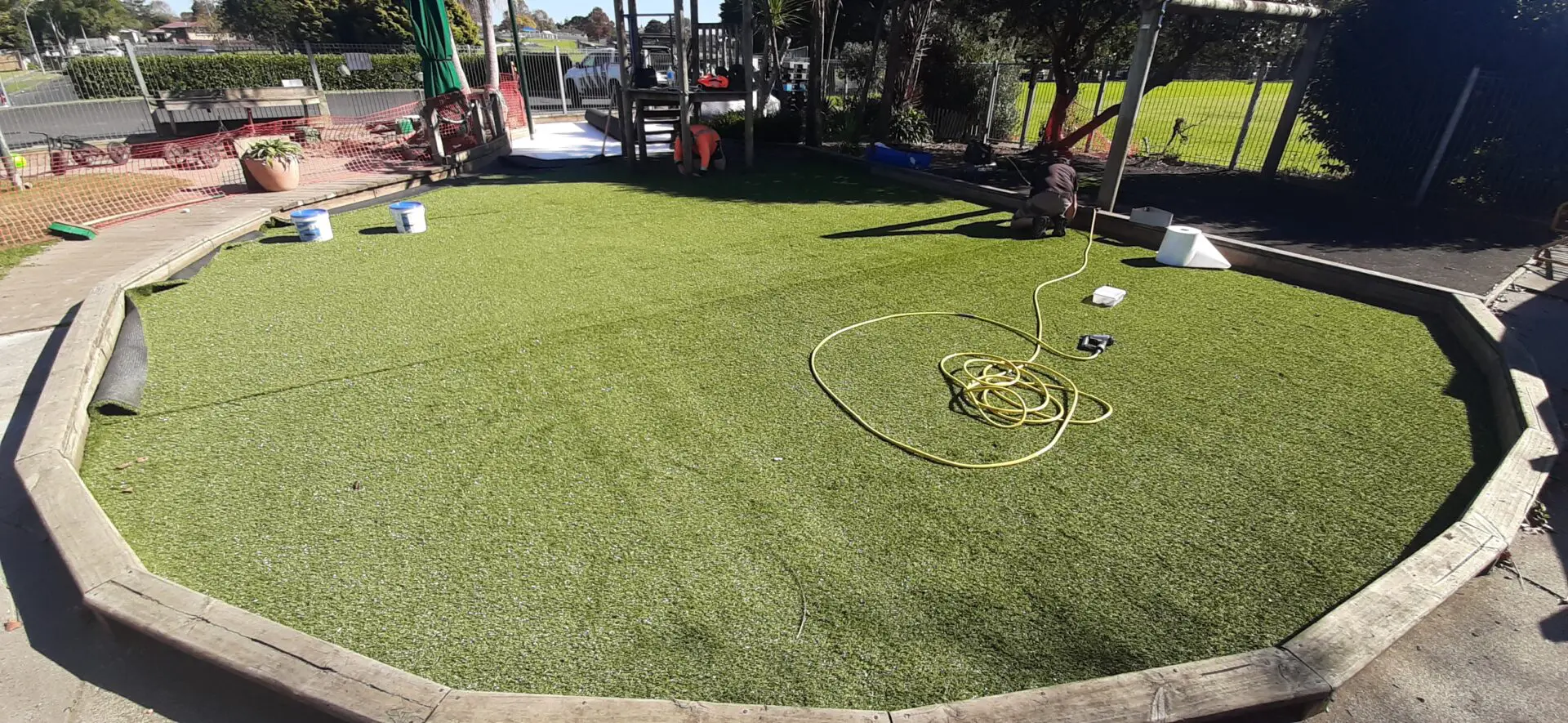
Artificial Turf Maintenance and Repair for homes and commercial properties in Spring, TX.
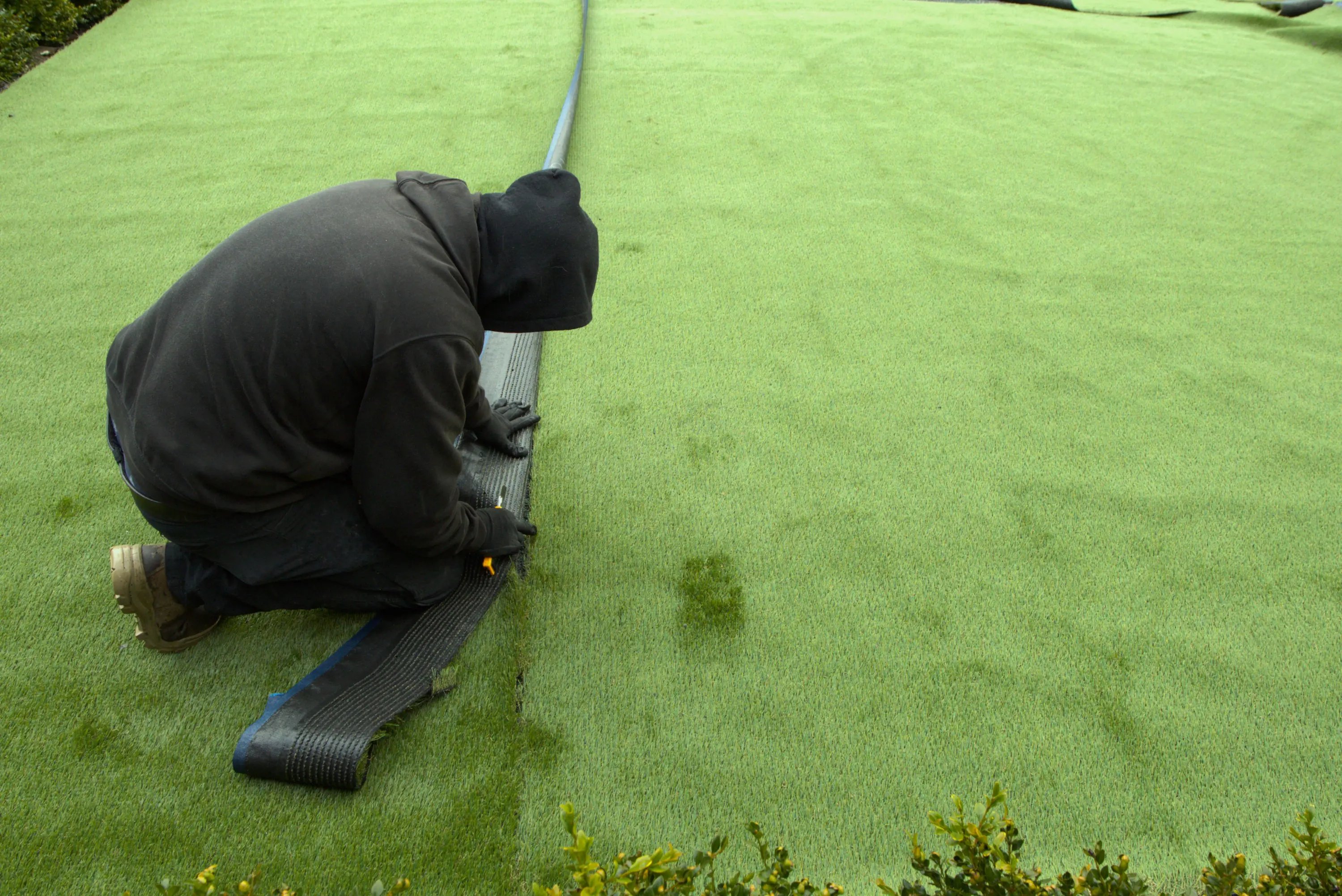
Artificial Turf Infill Replenishment for homes and commercial properties in Spring, TX.
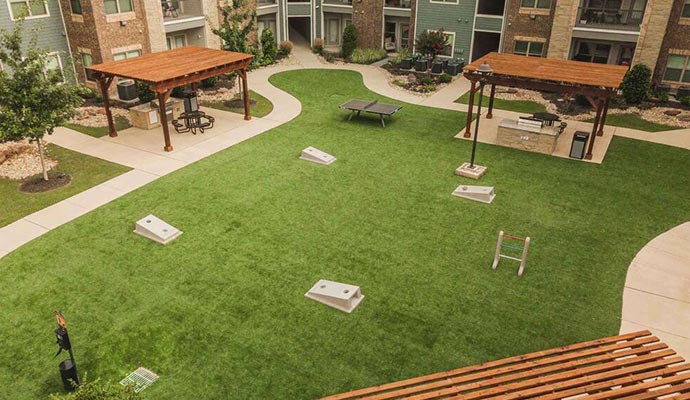
Residential Artificial Turf Installation for homes and commercial properties in Spring, TX.
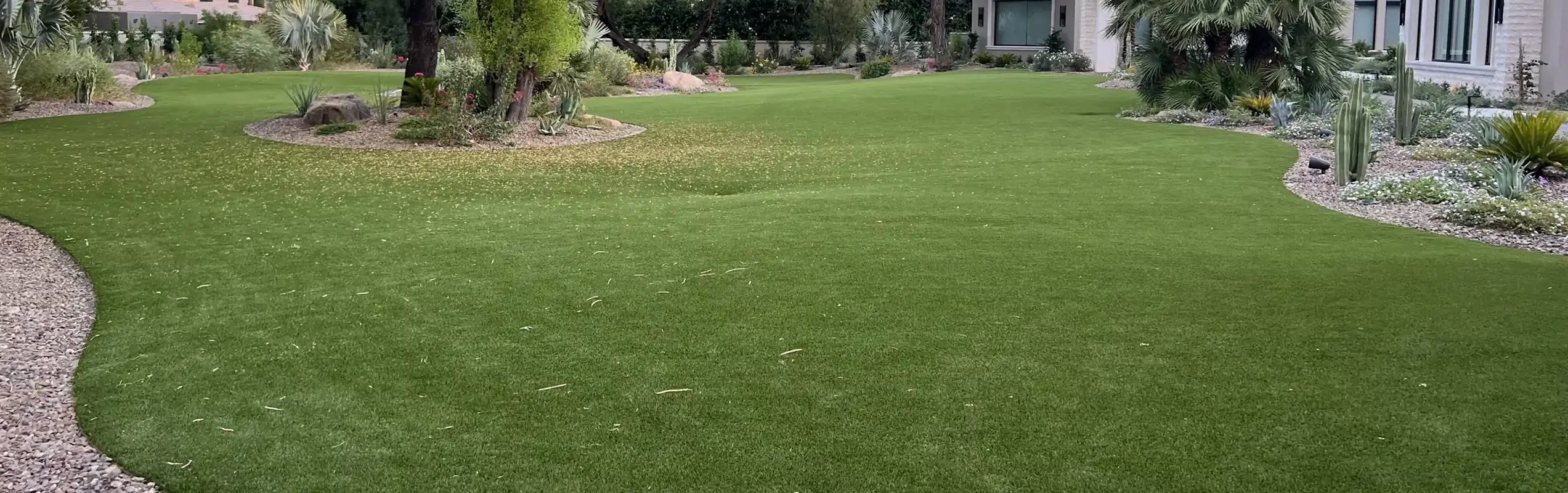
Commercial Artificial Turf Installation for homes and commercial properties in Spring, TX.
Standing water on the turf surface more than two hours after rainfall has stopped is the clearest indicator of a drainage problem. Light pooling during an intense storm that clears quickly is normal — water that stays for hours is not.
In many cases yes. Drainage tile installation can be done with targeted access points rather than full surface removal, particularly along perimeter areas.
The most common causes are clay migration into the aggregate base layer over time, base compaction from traffic or equipment, and insufficient initial base depth for the site's clay soil profile.
Discharge options include connection to the property's storm drain system, daylight discharge at a slope or property edge, or connection to a drainage swale. The appropriate option depends on your property layout and local requirements.
Routing drain tile through landscape areas requires some excavation. We plan installation routes to minimize impact on established landscape features and restore disturbed areas after installation.
Requirements vary. Some HOA communities in Spring's established neighborhoods have drainage standards for turf installations. We can advise on what documentation may be needed during the planning phase.
Final Step
Submit your property details to receive next-step planning for this service.
Call