Full Surface Extraction
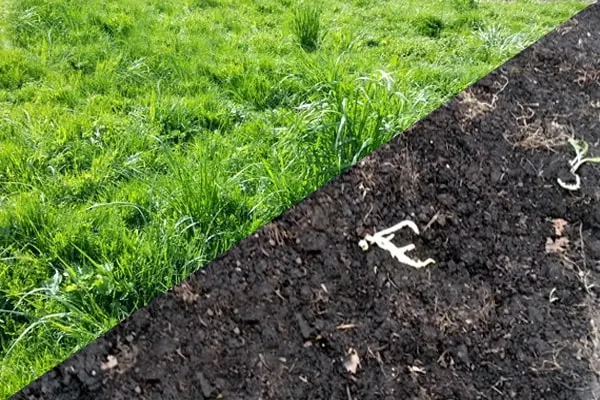
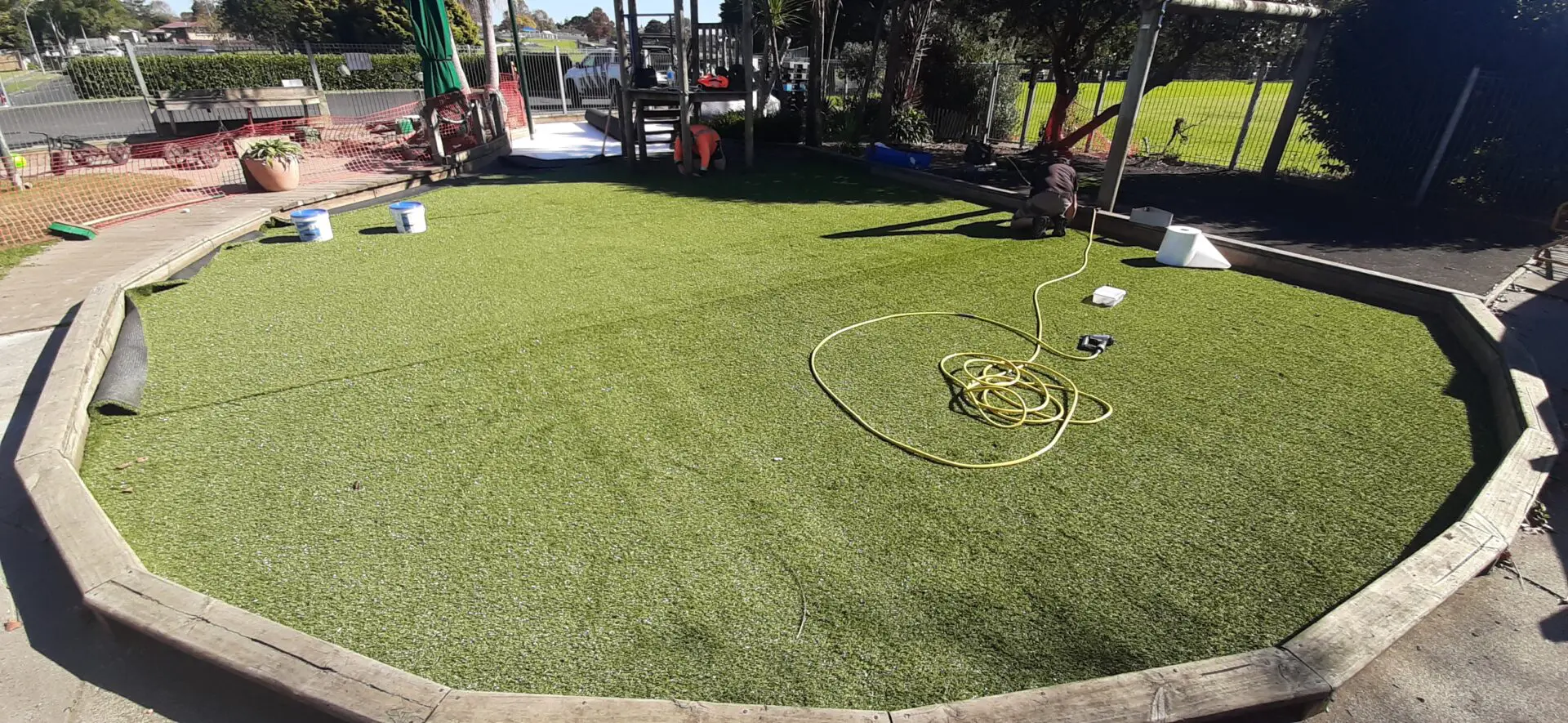
Turf material is cut, rolled, and removed from the site including backing and any secondary surface layers present beneath the primary turf.
Loading...
Service Detail
Artificial Turf Removal and Disposal for homes and commercial properties in Spring, TX.
Not every turf removal job in the Spring area is a straightforward rollup and haul. Old Town Spring properties sometimes have turf installations that predated modern base standards — laid over native soil without adequate aggregate preparation, or with backing materials and adhesives that have broken down over years of North Houston's humidity. Cypresswood and Champions Forest homes that installed turf in the early 2010s are now reaching end-of-service life and need full extraction that deals with the infill that has worked down into the soil layer, the deteriorated backing that has partially bonded to the base, and the edge materials that were embedded into concrete or pavers at installation.
Turf Installation of Spring handles removal and disposal as a standalone service — whether you are preparing for new turf replacement, converting back to natural landscape, or reclaiming a space for a hardscape project. We extract the turf surface, remove edge banding and border materials, clear residual infill from the base area, and leave the site in a condition ready for whatever comes next.
The removal process for North Houston properties requires attention to what is underneath the turf. Clay soil that has been under artificial turf for several years is often different from the surrounding yard — compressed, low in organic matter, and sometimes with pockets of infill material that worked through the geotextile fabric. If you are replacing with new turf, we assess the existing base to determine whether it can be reused or needs to be refreshed. If you are returning to natural landscape, we can advise on soil preparation needed to support grass or planting.
Disposal logistics matter in the Spring area. Turf rolls and crumb rubber infill in quantity require proper disposal routing — not every waste hauler handles the volume and material type that a large residential or commercial turf removal generates. We coordinate disposal to appropriate facilities and handle the logistics so property owners are not managing that separately.
For commercial properties in Old Town Spring or along Spring Cypress Road, removal scheduling matters as much as the work itself. We plan extraction work around business hours, staging areas for the material coming off the site, and the access needs for replacement installation if one is following. Properties on the Spring Creek Greenway trail access corridors sometimes have additional considerations around debris containment during removal to avoid material reaching the greenway drainage system — something we plan for during the site assessment.
Removal is planned as a complete extraction — surface, infill, edge materials, and site prep — not just rolling up the visible turf.
Turf material is cut, rolled, and removed from the site including backing and any secondary surface layers present beneath the primary turf.
Banding, nails, staples, and border materials embedded at hardscape transitions are extracted and the transition area is cleaned.
Residual infill material is swept and extracted from the base area and disposed of appropriately, particularly where crumb rubber infill was used.
The existing base is assessed after extraction to document condition and advise on whether it supports replacement turf or needs restoration.
The work area is left clean and ready for the next phase — replacement turf installation, hardscape work, or natural landscape preparation.
Removal follows a systematic sequence to ensure full extraction and minimize disruption to surrounding landscape.
Step 1
We evaluate the existing turf installation — material type, age, edge bonding method, and base condition — to plan the extraction approach and disposal logistics.
Step 2
Edge banding and border materials are released first, freeing the perimeter so the turf can be rolled without pulling edge-bonded sections apart unevenly.
Step 3
Turf is cut into manageable sections, rolled, and moved to the staging area. Infill is swept and collected as removal progresses.
Step 4
Residual infill and organic material are cleared from the base layer. The site is inspected and the base condition is documented before the project is closed out.
Removal service fits several different scenarios across Spring's residential and commercial property base.
The most common scenario — extracting turf that has reached end of service life in Cypresswood, Olde Oaks, or Champions Forest homes before new installation begins.
Older installations with inadequate base preparation that are experiencing drainage failure, seam collapse, or surface deterioration that cannot be economically repaired.
Property owners converting a turf area back to natural landscape, hardscape, or a different land use that requires clean site preparation.
Old Town Spring commercial properties updating their exterior presentation need professional removal that accounts for the tight access and heritage district considerations of their location.
Turf removal is more than hauling away old grass. The extraction method, infill recovery, edge material handling, and base assessment after removal all affect what happens next on the site. Turf Installation of Spring handles removal with the goal of leaving a clean, documented site ready for whatever follows — whether that is a new installation by our crew or preparation for another contractor's work.
Removal scope is driven by surface area, installation age, material type, and site access.
Total square footage directly affects the labor, equipment, and disposal volume involved in a removal project.
Older installations where backing has partially bonded to the base require more careful extraction work to avoid damaging the sub-base material.
Crumb rubber infill requires separate disposal handling compared to sand infill, and high-infill-volume installations involve more recovery work.
Properties with limited equipment access — common in Old Town Spring's tighter lots — require more manual extraction work that increases labor time.
Turf removal and disposal service is available across Spring, TX and the North Houston service area including The Woodlands, Tomball, Klein, Cypress, Humble, Conroe, Porter, Magnolia, Shenandoah, Oak Ridge North, and Jersey Village.
Residential Artificial Turf Installation for homes and commercial properties in Spring, TX.
Commercial Artificial Turf Installation for homes and commercial properties in Spring, TX.
Artificial Turf Maintenance and Repair for homes and commercial properties in Spring, TX.
Artificial Turf Consultation and Estimates for homes and commercial properties in Spring, TX.
Sometimes. We assess the base condition after extraction and advise on whether the existing aggregate is in good enough condition to reuse or needs to be refreshed before new turf goes down.
Crumb rubber infill is collected and disposed of at appropriate facilities. We do not leave infill material in the base area or distribute it to surrounding landscape.
Most residential removals in the Spring area complete in one to two days depending on square footage, installation age, and site access.
Yes. We plan extraction routes and staging areas to avoid unnecessary impact on adjacent beds, hardscape, and established landscape features.
Removing the old system is standard practice before new turf installation. Installing over an existing surface creates height issues and masks any base problems that should be addressed.
We can schedule removal work during off-hours or phase the project to keep portions of the property accessible while work proceeds on other sections.
Final Step
Submit your property details to receive next-step planning for this service.
Call