Sport and Use Analysis
We document the sports, use intensity, event schedule, and safety standards your facility operates under before specifying turf system components.
Loading...
Service Detail
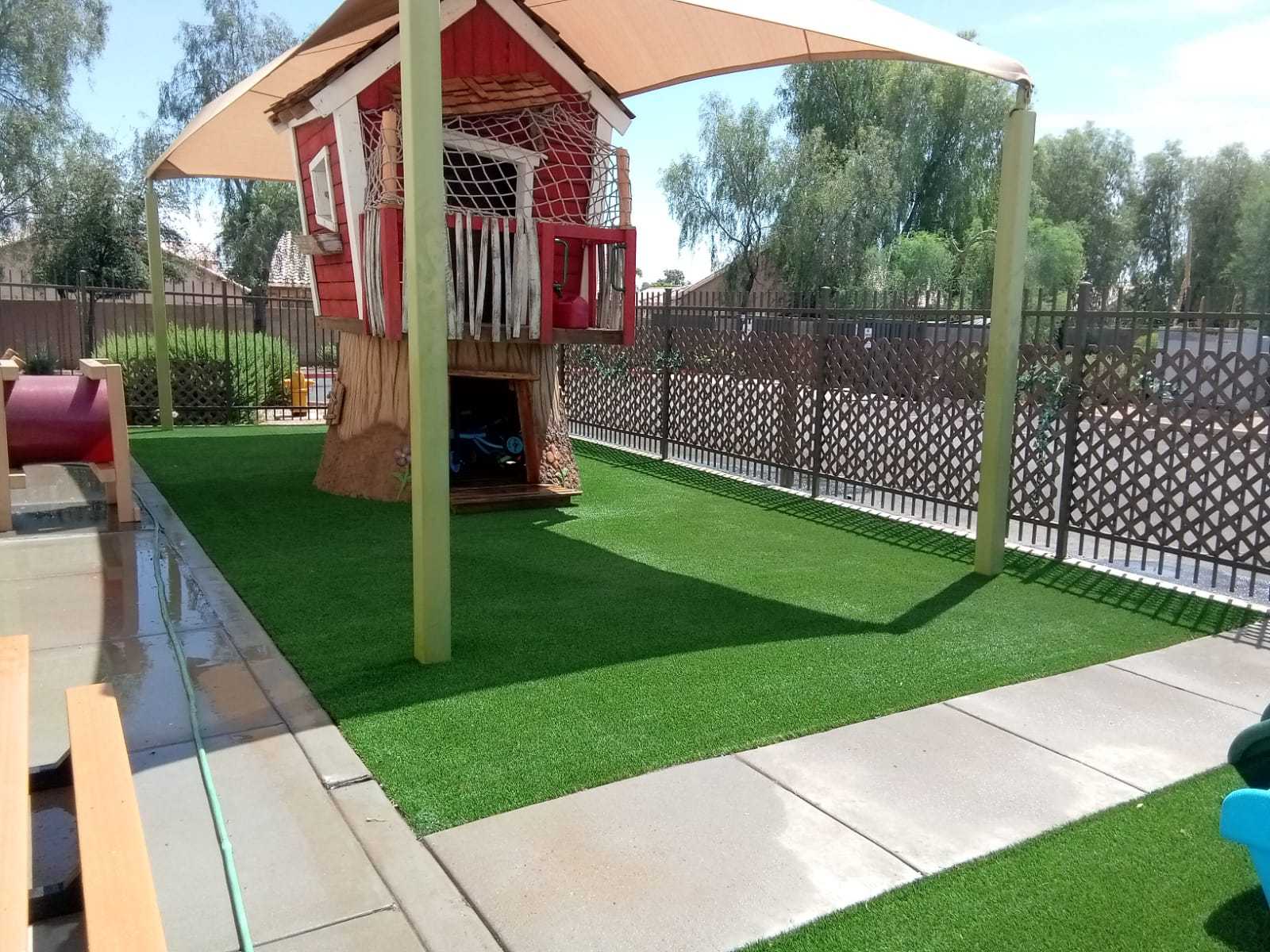
Athletic Field Artificial Turf Installation for homes and commercial properties in Spring, TX.
Spring, TX sits within a north Houston sports culture that runs twelve months a year. Klein ISD and the surrounding school districts operate athletic programs with game and practice schedules that demand fields capable of handling intense daily use through summer heat, fall league seasons, and the wet spring months that follow. Mercer Botanic Gardens' surrounding community in Old Town Spring and the Pundt Park complex along Spring Creek demonstrate how seriously this part of North Houston takes outdoor recreation and public green space. Athletic field turf installation in this market is a practical decision about field availability, maintenance cost, and player safety — not just aesthetics.
Turf Installation of Spring approaches athletic field projects with the performance standards those contexts demand. Unlike residential or light commercial turf, athletic field surfaces must absorb impact, recover from repetitive cleated traffic, maintain consistent footing for lateral movement, and drain fast enough that practice sessions and games can proceed after the afternoon storms that move through the Spring Creek watershed through the summer months.
Field turf specification depends on the sport and use intensity. Multi-sport surfaces used for soccer, flag football, and recreational leagues require different pile height, infill depth, and shock pad configuration than a dedicated baseball outfield or a training-focused practice surface. We work with facility managers and athletic directors to understand the full range of use the field will support before specifying materials.
Subsurface construction is the most critical and least visible part of athletic field installation. The field's drainage capacity determines whether you have a usable surface after a hard rain or a flooded field that costs practice sessions and forces schedule compression. Spring area rainfall intensity during thunderstorm season is not mild — our drainage systems are designed for the actual rain events North Houston experiences, not textbook averages. Proper shock pad selection underneath the turf surface affects player safety, reducing the impact load on joints during falls and high-intensity movement.
Athletic field installation in the Spring area also means coordinating around complex project logistics — school schedules, league calendars, facility access windows — and delivering on a timeline that lets programs return to normal use without extended displacement. We bring that project coordination capability alongside the technical installation work.
Athletic field installations are built for performance, safety, and the specific use demands of your facility's sport and schedule.
We document the sports, use intensity, event schedule, and safety standards your facility operates under before specifying turf system components.
Base drainage is designed for Spring's actual rainfall intensity, not averages — so fields drain within hours of hard summer storms.
Shock pad layers are specified to meet the G-max impact standards appropriate for the sport and player age group using the facility.
Pile height, fiber type, and infill depth are specified for the traction, ball response, and footwear interaction your sport demands.
Sport-specific line layouts are integrated into the turf surface using inlaid synthetic turf of contrasting color — permanent, no painting required.
Athletic field installation follows a longer sequence than residential work — the stakes of getting each phase right are higher.
Step 1
We evaluate the existing field base, drainage infrastructure, grade, and access logistics. Sport use and schedule requirements inform turf system specification.
Step 2
Base grading, drainage tile layout, and aggregate installation are completed and tested before any pad or turf material is placed. This phase determines long-term field performance.
Step 3
Shock pad material is placed and secured. Turf rolls are positioned, seamed, and anchored according to the field layout plan, with inlaid line work integrated during this phase.
Step 4
Infill is distributed to specification depth. The surface is groomed and impact-tested to confirm G-max compliance before the facility returns to active use.
Athletic turf serves a range of facility types across the Spring and North Houston sports community.
School district practice fields and competition venues in the Klein ISD, Spring ISD, and surrounding districts where field availability during the wet season directly affects athletic program scheduling.
Public parks and recreation facilities near Pundt Park and along the Spring Creek Greenway corridor where multi-sport use demands a surface that handles a wide range of recreational activity.
Indoor and outdoor training facilities serving the growing Spring-area youth sports market, where consistent surface quality is a competitive differentiator for athlete recruitment.
Community associations and corporate campuses in Champions Forest and Cypresswood use athletic turf to create year-round usable recreation spaces for residents and employees.
Athletic facility managers in the Spring area choose Turf Installation of Spring because they need a contractor who understands both the technical performance requirements of athletic surfaces and the practical realities of installing a field within a working facility schedule. Our approach combines proper drainage engineering — critical for the Spring Creek watershed area's rain patterns — with the project coordination capability that keeps installations on schedule without disrupting athletic programs longer than necessary.
Athletic field projects are sized around performance requirements, not just square footage.
Total surface area, field geometry, and the number of sport-specific line layouts integrated into the turf all affect material quantity and installation complexity.
Fields with poor existing drainage or uneven grade require more subgrade work before turf system installation can begin.
Higher-performance shock pad systems that meet stringent G-max standards for contact sports carry higher material costs than basic pads used in lower-impact recreational applications.
Fields in low-lying areas adjacent to Spring Creek or in naturally poor-draining locations require more extensive drainage tile networks and potentially pumped drainage solutions.
Athletic field turf installation is coordinated across Spring, TX and the surrounding North Houston market including The Woodlands, Tomball, Klein, Cypress, Humble, Conroe, Porter, Magnolia, Shenandoah, Oak Ridge North, and Jersey Village.
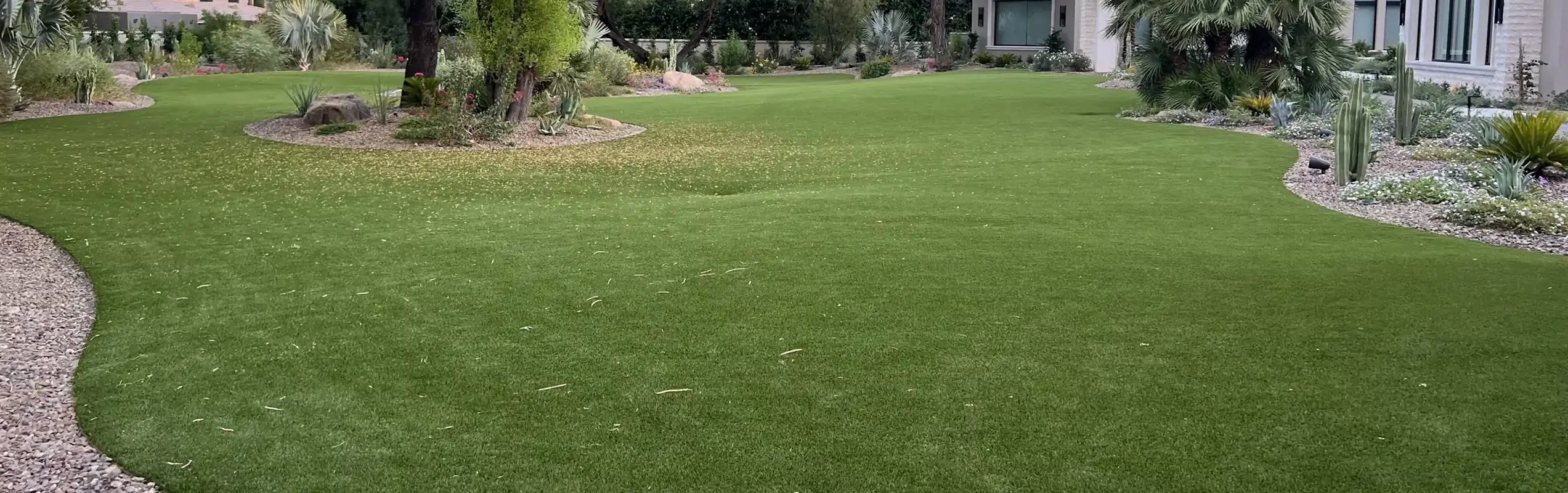
Commercial Artificial Turf Installation for homes and commercial properties in Spring, TX.
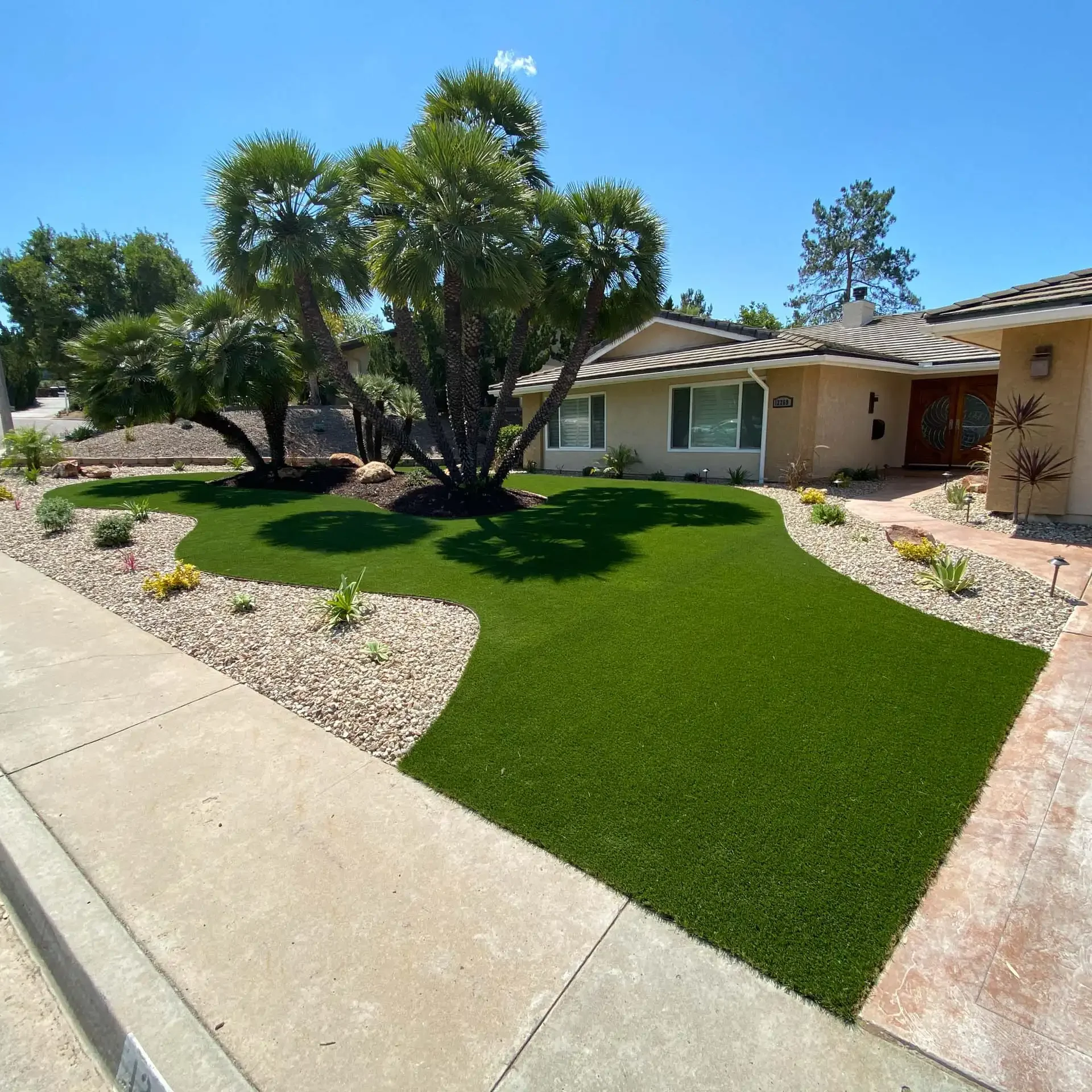
Artificial Turf Drainage System Installation for homes and commercial properties in Spring, TX.
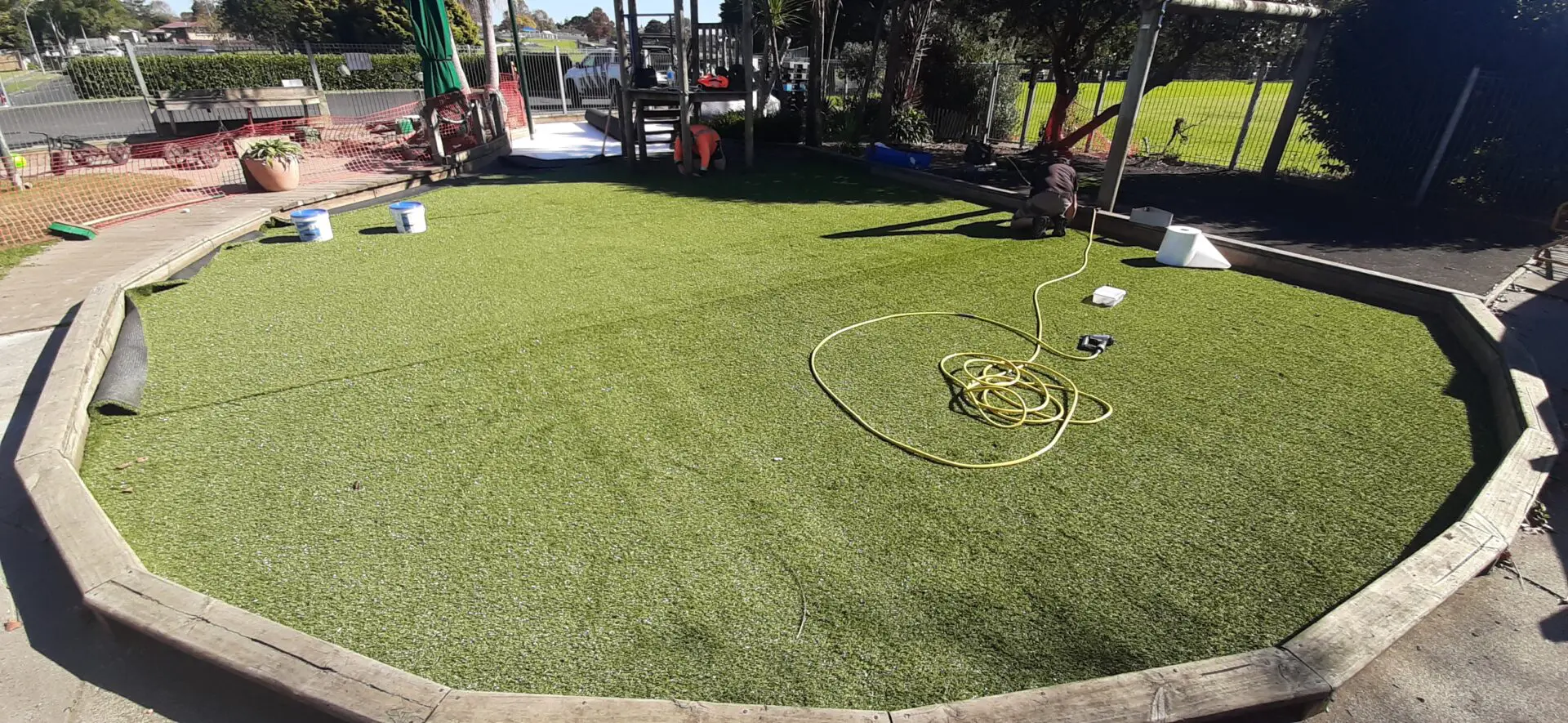
Artificial Turf Maintenance and Repair for homes and commercial properties in Spring, TX.
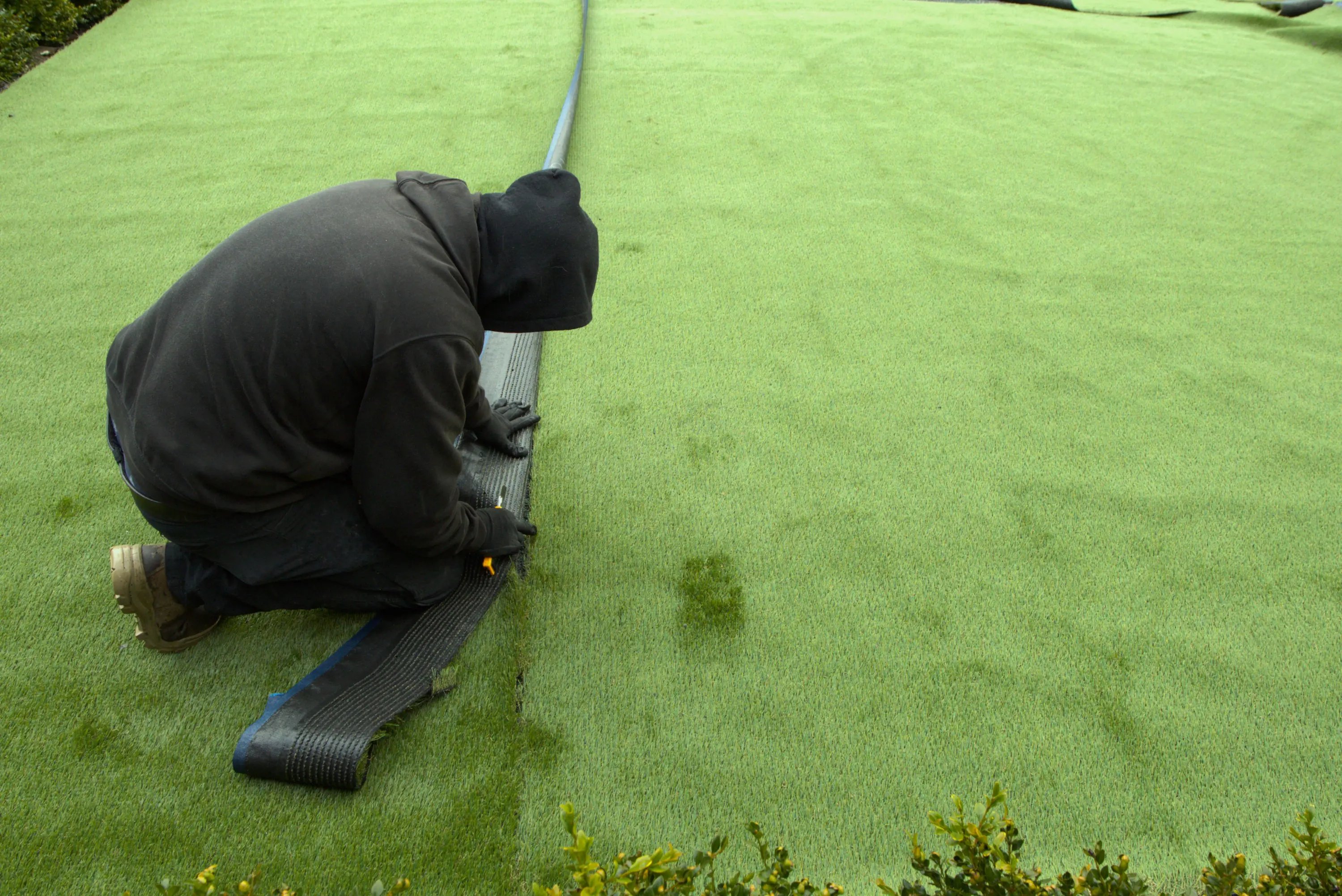
Artificial Turf Infill Replenishment for homes and commercial properties in Spring, TX.
A properly designed athletic field drainage system in Spring should drain to playable condition within two to four hours of a standard afternoon thunderstorm. Extreme rainfall events may require longer drainage windows depending on surrounding site drainage capacity.
Yes. Athletic field projects are typically phased around facility access requirements. We coordinate installation sequencing with your schedule coordinator at the start of the project.
G-max standards vary by sport governing body and facility age group requirements. We review the applicable standard for your sport and age group during the initial assessment and specify shock pad systems to meet that standard.
Well-maintained athletic field turf in North Houston typically performs for eight to twelve years depending on use intensity. Infill replenishment and regular maintenance extend the performance lifespan significantly.
Yes. Inlaid line work using contrasting turf color is permanent and does not require seasonal repainting. Multi-sport layouts can include multiple sport configurations simultaneously using different color combinations.
Yes — consistent year-round usability is one of the primary reasons facilities invest in synthetic field surfaces. Unlike natural grass, athletic turf does not go dormant, wash out during wet seasons, or require extended recovery periods after heavy use.
Final Step
Submit your property details to receive next-step planning for this service.
Call